
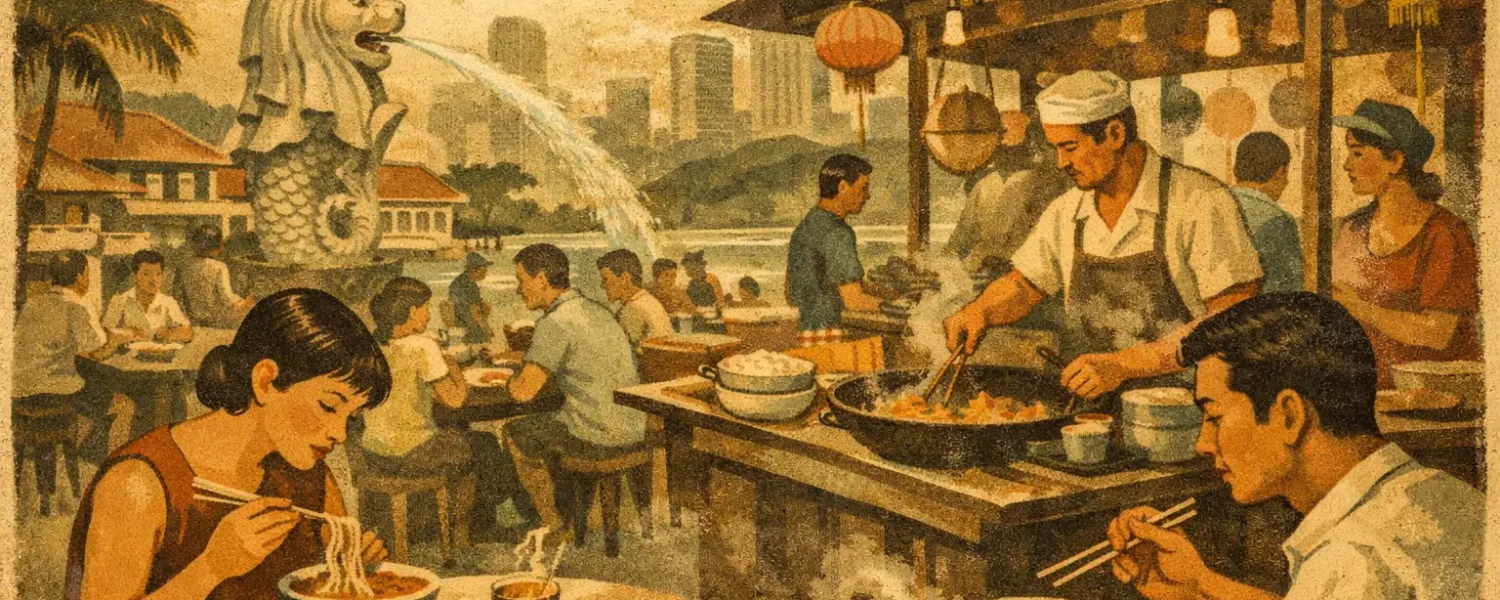
A tray lands on the table with sizzling satay, a bowl of laksa perfumed with coconut and spice, and an iced drink sweating in the Singapore heat. Around you, office workers, grandparents, tourists, and kids are all doing the same thing – eating well, chatting loudly, and deciding what to order next. If you have ever wondered what is Singapore hawker culture, the answer begins right here: not in a museum, but in a living, breathing place where daily life, heritage, and seriously good food meet.
What Is Singapore Hawker Culture, Really?
Singapore hawker culture is the tradition of affordable street food made and sold by hawkers in shared food centers across the island. But that plain definition misses the heart of it. Hawker culture is about migration stories carried in recipes, communities built around familiar stalls, and a style of eating that is proudly multicultural, practical, and full of personality.
A hawker center is not just a place to grab lunch. It is where Chinese, Malay, Indian, Peranakan, and other food traditions sit side by side, each stall contributing to a bigger picture of what Singapore tastes like. One table might hold chicken rice, prata, nasi lemak, and cendol all at once. That is normal here. In fact, that mix is the point.
This is also why hawker culture means so much to locals. It reflects how Singapore grew – through trade, labor, adaptation, and everyday coexistence. People did not just bring food from elsewhere and leave it unchanged. Over time, dishes evolved to suit local ingredients, local preferences, and local life. That is how hawker food became distinctly Singaporean.
How Hawker Culture Started
The roots of hawker culture go back to the 19th and early 20th centuries, when street hawkers sold food from pushcarts and makeshift setups. Many were immigrants or descendants of immigrants trying to earn a living. They cooked dishes from memory, adjusted them to what was available, and served workers, families, and passersby who needed affordable meals.
Street hawking had energy and convenience, but it also came with challenges. Sanitation, congestion, and regulation became bigger issues as Singapore urbanized. Over the decades, the government moved many street hawkers into purpose-built hawker centers. These centers gave vendors fixed stalls, better hygiene standards, and shared seating, while preserving the spirit of accessible public dining.
That shift matters because hawker culture is not frozen in time. It has always been adaptive. What started on streets and carts became a more organized system, but the essentials stayed intact: skilled cooks, signature recipes, and food made for everyone, not just for special occasions.
Why Hawker Food Matters More Than the Price Tag
Visitors often notice the value first. You can eat extremely well at a hawker center without spending much, and that remains one of its great joys. But the low price is only part of the story.
Hawker food matters because it is everyday heritage. It is not reserved for elite dining rooms or formal ceremonies. It lives in breakfast runs, lunch breaks, late-night suppers, and weekend family outings. A bowl of fishball noodles or a plate of char kway teow can carry decades of memory for the person eating it.
It also creates a rare kind of social space. In many cities, dining can sort people by budget, neighborhood, or dress code. Hawker centers tend to blur those lines. You share tables. You queue together. You wait for the same famous stall auntie or uncle to call your number. It is casual, communal, and very Singapore.
That democratic spirit is one reason hawker culture earned international recognition as an important form of intangible cultural heritage. The food is excellent, yes, but the real treasure is the ecosystem around it – skills passed down over years, regular customers returning for the same taste, and communities formed through repetition and trust.
The Dishes Tell the Story
To understand hawker culture, you have to look at the food itself. Each dish is a clue.
Chicken rice may seem simple, but simplicity is deceptive. Fragrant rice cooked in stock, tender poached or roasted chicken, chili sauce with bite, and ginger paste that cuts through richness – every component matters. It reflects technique, balance, and a deep respect for consistency.
Laksa brings another side of Singapore to the table. Rich, spicy, creamy, and layered, it speaks to Peranakan influence and regional adaptation. One bowl can hint at trade routes, family kitchens, and generations of culinary exchange.
Then there is char kway teow, smoky and savory, with wok hei giving it character you cannot fake. Satay arrives with char, peanut sauce, cucumber, and ketupat, turning grilled meat into a social event. Prata shows South Asian influence through dough work, texture, and ritual – crisp outside, soft inside, often torn by hand and dipped into curry. Cendol cools everything down with shaved ice, coconut milk, palm sugar, and chewy green jelly that feels like relief in dessert form.
No single dish explains hawker culture on its own. The magic is in the range. You taste one stall, then another, and suddenly Singapore’s history feels less like a textbook and more like lunch.
What Makes a Hawker Center Special
A hawker center works because it is both structured and spontaneous. The stalls are fixed, but your meal can go in any direction. You might arrive craving one thing and leave with four. You might sit down next to strangers and end up asking what they ordered because it looks too good to ignore.
There are customs, too, though they are easy to learn. People often reserve seats with a small packet of tissues or another personal item, a local habit known informally as chope. Queues matter. Regulars know which stall sells out early. Some vendors specialize so narrowly that they become famous for one dish done exceptionally well.
For first-time visitors, the experience can feel exciting and a little overwhelming. That is part of the fun, but it also means context helps. Without it, you might enjoy the flavors while missing the deeper story. With it, the meal becomes much richer.
What Is Singapore Hawker Culture for Visitors?
For travelers, Singapore hawker culture is one of the easiest and most rewarding ways to connect with the country. You do not need a fine-dining budget, specialist knowledge, or a perfect itinerary. You just need curiosity and an appetite.
Still, there is a difference between eating at a hawker center and truly experiencing hawker culture. Going alone gives you freedom, but it can also mean guessing what to order, skipping dishes with unfamiliar names, or missing the history behind what is on your plate. A guided experience can bring those hidden layers forward – why certain dishes taste the way they do, how communities shaped them, and what locals notice that visitors often miss.
That is where a heritage-led food experience really shines. Instead of simply hopping from stall to stall, you begin to understand the personalities, stories, and traditions that make hawker food more than just delicious. For culturally curious travelers and locals who want to reconnect with familiar flavors in a fresh way, that extra storytelling changes the meal entirely.
The Trade-Offs and Challenges
Hawker culture is beloved, but it is not without pressure. Younger generations do not always want to enter the trade, especially when the work is physically demanding and the hours are long. Some heritage dishes require labor-intensive preparation that is hard to sustain at low prices.
There is also a balancing act between preserving tradition and allowing innovation. Some people want recipes protected exactly as they were. Others welcome modern twists, new presentation, or changing ingredients. Both views have merit. If nothing changes, hawker culture can become rigid. If everything changes too quickly, it can lose the character that made it special in the first place.
Even popularity has trade-offs. Global attention brings pride and tourism, but it can also flatten the experience if hawker food gets reduced to a checklist of famous dishes. The best way to appreciate it is not to rush through the biggest names alone, but to notice the human stories behind the stalls.
Why People Keep Coming Back
Ask a local why they love hawker culture, and the answer usually goes beyond taste. It is comfort. It is routine. It is memory. It is the smell of prata on a weekend morning, the late-night satay run with friends, the stall your family always orders from, the auntie who remembers how much chili you like.
For visitors, that same warmth can feel surprisingly immediate. Hawker centers are welcoming by design. They are not polished in a way that keeps people at a distance. They are lively, practical, and full of sensory cues that pull you in – the hiss of the wok, the clatter of cutlery, the perfume of broth and grilled meat, the bright colors of drinks and desserts.
That is why experiences built around hawker heritage resonate so strongly. They turn a meal into a memory with context, and a destination into something personal. Brands like J.I.A.K 99 celebrate exactly that spirit by helping people come jiak with intention, appetite, and a deeper appreciation for the stories served alongside every plate.
Singapore hawker culture is, at heart, a shared table. Pull up a chair, try something new, and let the food tell you where this city has been – and why it still tastes like home to so many people.