
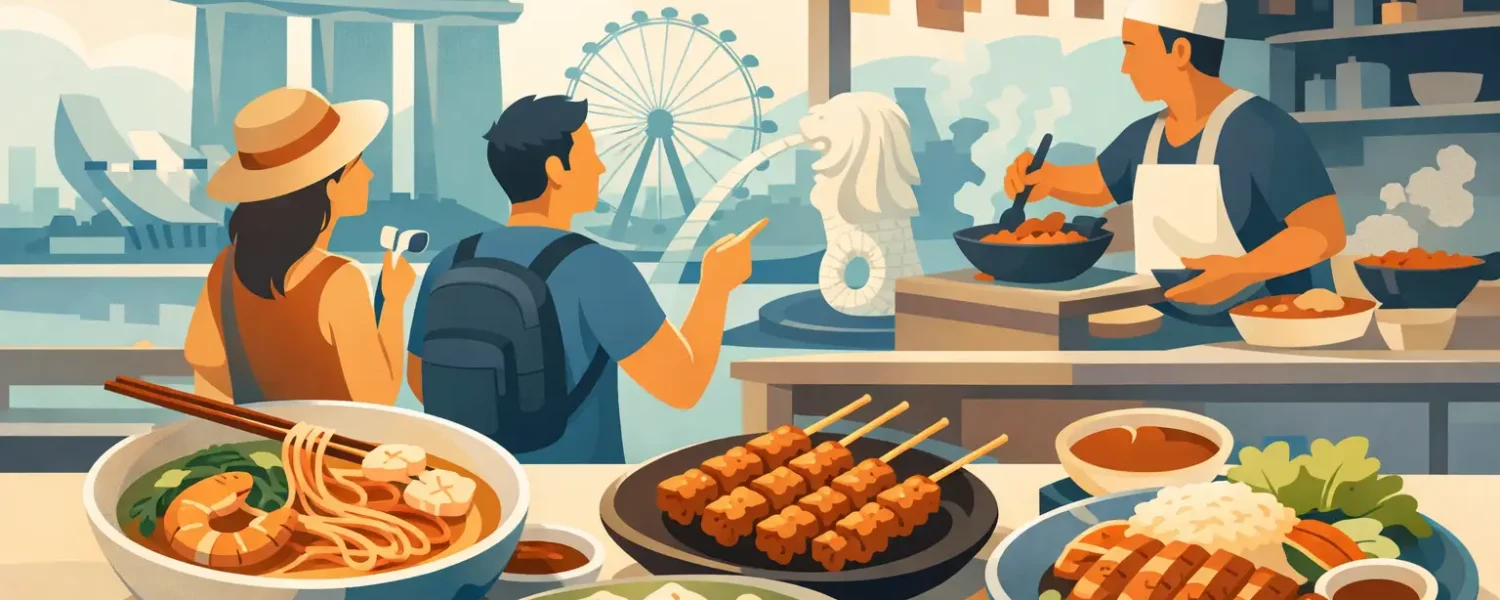
The difference between a decent food stop and the best hawker food tour singapore visitors remember years later usually comes down to one thing – context. Anyone can point at a stall and say, “Try the laksa.” A great guide tells you why the broth tastes the way it does, how migration shaped the dish, why one hawker center feels louder and livelier than another, and what locals mean when they say a place has real shiok factor.
If you are choosing a hawker tour for your trip, or even planning a local outing with visiting friends, it helps to know what separates a rushed tasting session from a genuinely memorable heritage experience. Hawker culture is not just about eating well, though yes, you absolutely will. It is about stepping into the daily rhythm of Singapore through food that carries family memory, cultural exchange, and neighborhood identity in every bite.
What makes the best hawker food tour Singapore worth booking?
The first sign of a strong tour is that it treats hawker food as culture, not as a checklist. You do not want a guide who simply walks you from satay to chicken rice to cendol with no deeper story. You want someone who can explain how Malay, Chinese, Indian, and Peranakan influences meet on the table, and why those overlaps matter.
That storytelling changes the meal. Satay becomes more than grilled skewers with peanut sauce. It becomes a conversation about street food traditions, communal dining, and the kind of flavors that make people slow down and reach for one more stick. Nasi lemak is no longer just coconut rice with accompaniments. It becomes a dish that opens up questions about comfort food, regional identity, and how familiar plates evolve across generations.
A worthwhile hawker experience also feels curated without feeling stiff. There should be enough structure that you are never wondering where to go next, but enough ease that you can soak up the sounds, aromas, and everyday life around you. The best tours know how to balance both.
The dishes should be iconic, but the order matters too
A common mistake on weaker tours is cramming too much in too quickly. Hawker food is rich, layered, and often best appreciated when the pacing is thoughtful. If you start with something too heavy, everything after that can blur together.
Good tours think about progression. You might begin with something crisp or fragrant, then move into bolder, heartier flavors like laksa or chicken rice before ending on a cooling dessert such as cendol. Even prata, which many travelers know as a satisfying staple, lands differently when it is introduced with the right timing and explanation.
This matters because hawker food is not one-note. Laksa brings spice, coconut richness, and noodle texture in one bowl. Chicken rice sounds simple, but that simplicity is exactly why execution matters – aromatic rice, tender meat, sharp chili, clear soup. A proper tasting route lets each dish have its moment instead of turning the experience into a blur of “good food” with no memory attached.
Heritage storytelling is not a bonus – it is the point
The best hawker food tour singapore has to offer should help you understand why hawker culture is such a big part of local identity. Hawker centers are democratic spaces. Office workers, grandparents, students, tourists, and taxi drivers can all be found at the same tables, chasing different cravings under one roof.
That everyday magic is easy to miss if nobody explains it. A skilled guide shows you how these spaces grew from street vending traditions, public policy, and practical community life. They make you notice the details – the uncle who has been perfecting one dish for decades, the handwritten signs, the lunchtime rush, the quiet pride people carry for their favorite stall.
This is where a guided experience often beats going alone. You can absolutely eat well on your own in Singapore. Locals do it every day. But if you are new to hawker culture, or if you want more than a meal, guidance helps decode what you are seeing. It turns a tasty outing into something layered and personal.
A great hawker tour should feel welcoming, not intimidating
For international visitors, hawker centers can be exciting but slightly overwhelming at first. There may be long queues, unfamiliar dishes, table-sharing customs, and stalls with names that mean nothing to you yet. For locals bringing overseas colleagues or relatives, the challenge is different – how do you introduce hawker culture in a way that feels fun, polished, and easy to enjoy?
That is why the best tours are approachable. They do not assume you already know the food scene, and they do not make beginners feel behind. They create a relaxed space where questions are welcome, preferences are considered, and the experience feels inclusive.
This especially matters for mixed groups. Corporate teams, families, and delegates often need something that works across different levels of food confidence. A strong host knows how to keep the mood lively while making the food stories easy to follow. Nobody should feel like they need a culinary degree to enjoy a bowl of noodles.
Convenience matters more than people admit
People often talk about authenticity as if convenience somehow makes an experience less real. That is not always true. A thoughtfully organized hawker tour can be both authentic and easy, which is exactly what many travelers need.
When a tour is planned well, you do not spend your time debating where to eat, second-guessing whether a queue is worth it, or trying to piece together the meaning of dishes after the fact. You simply show up ready to jiak, and the experience carries you forward.
That convenience is especially valuable if your schedule is tight or you are hosting others. Visitors near major attractions often want a food experience that fits naturally into the day rather than requiring a full research project. A bookable tour with a clear route, strong pacing, and cultural insight saves energy while still delivering something memorable.
Not every food tour fits every traveler
This is where it depends. If your goal is maximum quantity at the lowest possible cost, a guided hawker tour may not be your ideal choice. Wandering solo and following your nose can be a lot of fun, especially if you are confident and have time to experiment.
But if you want curation, storytelling, and a sense of meaning behind what you eat, a structured experience usually offers more value than simply buying six random dishes. The trade-off is straightforward – you are paying not only for food, but for interpretation, hosting, and a smoother experience overall.
The same goes for pace. Some travelers love independent discovery. Others prefer having the highlights selected for them so they can relax and enjoy. Neither approach is wrong. The better question is what kind of memory you want to take home.
Signs you have found the right experience
A hawker tour is usually worth your time if it combines four things naturally: iconic dishes, cultural explanation, a comfortable pace, and a host who brings energy without turning the experience into a performance. You want warmth, not a script.
Look for experiences that celebrate hawker food as living heritage. The food should taste great, obviously, but the tour should also help you understand the people, traditions, and social life around it. If the experience feels like it could only happen here, that is a very good sign.
This is also why heritage-led experiences stand out. When a brand such as J.I.A.K 99 builds a tour around storytelling, sensory moments, and the multicultural roots of local dishes, the result feels more complete. You are not just fed. You are welcomed into a very Singapore way of gathering, tasting, and connecting.
Why hawker culture stays with people
Long after the last spoonful of cendol is gone, people tend to remember how hawker food made them feel. Maybe it was the smoky aroma from the satay grill, the comfort of warm rice and chili, or the buzz of conversation around a shared table. Maybe it was the small realization that a simple meal can tell the story of a whole country.
That is the real standard for the best hawker food tour singapore can offer. Not just full stomachs, though those help. It is the feeling that you did not simply eat local food. You understood a little more about the place and the people through it.
If you are choosing a tour, choose the one that leaves room for that feeling. The best bites are memorable. The best stories make you want to come back for another round.