
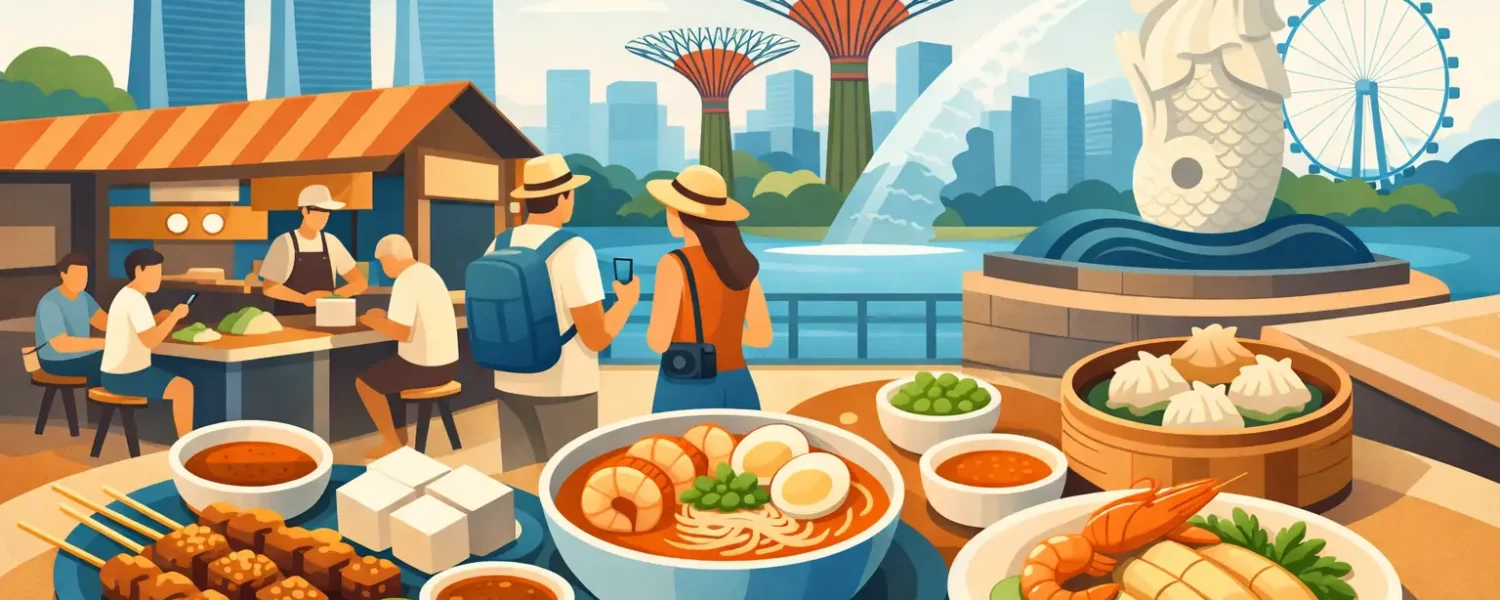
You can tell a lot about a place by what people line up for at lunch. In Singapore, that line usually leads to a hawker stall – one steaming pot, one sizzling griddle, one vendor who has been perfecting the same dish for years. If you are looking for singapore hawker food recommendations for tourists, the best place to start is not with a random checklist, but with the dishes that tell Singapore’s story in one bite.
Hawker food is not fancy, and that is exactly the point. It is everyday eating shaped by migration, memory, and neighborhood pride. Chinese, Malay, Indian, Peranakan, and other influences meet at the same table, which means your meal can jump from smoky satay to creamy laksa to icy cendol without feeling strange at all. For first-time visitors, that variety is exciting, but it can also be overwhelming. A little guidance goes a long way.
Singapore hawker food recommendations for tourists who want the classics
If you only have one or two hawker meals, go for dishes that locals return to again and again. These are the crowd-pleasers, but they are also cultural markers – familiar, beloved, and worth understanding beyond the photo.
Chicken rice
If there is one dish tourists ask about first, it is usually chicken rice. On paper, it sounds simple: poached or roasted chicken, fragrant rice cooked with stock and aromatics, soup, and dipping sauces. In reality, the difference between decent and memorable chicken rice is huge.
Look for tender chicken, glossy rice with real flavor, and chili sauce that brings heat without drowning everything else. Poached chicken is softer and more delicate. Roasted chicken gives you a deeper, richer flavor and a bit more texture. If you are unsure, roasted is often an easy win for first-timers.
Laksa
Laksa is where comfort meets complexity. The broth is rich with coconut milk, spice, and seafood sweetness, and the noodles soak up every bit of it. Some versions lean creamier, some punchier, and some have more heat than tourists expect.
This is a good dish for visitors who want something unmistakably local and a little indulgent. It can be messy, it can be spicy, and it is absolutely worth it. If your spice tolerance is low, ask first rather than bravely suffering through a bowl you cannot finish.
Satay
Satay is one of the easiest hawker dishes to love right away. Skewers of grilled meat arrive charred at the edges, smoky from the fire, with peanut sauce, cucumber, and rice cakes on the side. It is social food – best shared, best eaten while the skewers are still hot.
Chicken, beef, and mutton are the usual picks. Chicken is the safest place to begin, while mutton brings a stronger flavor. The peanut sauce matters more than many tourists realize. A good one should be nutty, savory, a little sweet, and balanced rather than heavy.
Nasi lemak
Nasi lemak looks modest, but it is one of the most satisfying plates in the hawker world. Coconut rice sits alongside sambal, fried anchovies, peanuts, egg, and often a protein like fried chicken or fish. Every bite shifts between spicy, crunchy, rich, and fragrant.
For tourists, nasi lemak is a great introduction to Malay flavors. The sambal can vary a lot from stall to stall. Some are sweet and mellow, while others hit hard with chili. If you like building your own perfect bite, this dish is especially fun.
Prata
Prata is ideal for travelers who want something casual and interactive. This flaky flatbread can be plain or filled with egg, cheese, onion, or other ingredients, and it is usually served with curry for dipping. Crisp outside, chewy inside, and comforting all the way through, it works at breakfast, supper, or any odd hour in between.
The trade-off is that prata can feel simpler than rice or noodle dishes. That does not make it less authentic. It just plays a different role – more everyday comfort, less centerpiece meal. Order it when you want something warm, fast, and very satisfying.
Cendol
Not every hawker recommendation should end with another savory plate. Cendol is one of the easiest desserts for tourists to appreciate, especially in the heat. Shaved ice, coconut milk, palm sugar syrup, and green jelly noodles come together in a bowl that is sweet, creamy, and refreshing without being too heavy.
If you have never had it before, the texture might surprise you. That is part of the charm. It is a good reminder that hawker culture is not only about main dishes – it is also about rituals, weather, and knowing how to cool down well.
How tourists should choose what to eat at a hawker center
A smart hawker meal is not about ordering the most famous thing on the internet. It is about reading the room a little. Long queues can be a good sign, but they are not the only sign. A stall with steady repeat customers, fast turnover, and food coming out consistently hot is often a better bet than a line built purely by hype.
Time of day matters too. Some stalls are breakfast specialists. Some shine at lunch. Some prata and satay spots feel best later in the day. If you show up near closing, your options may be limited, and a signature item might already be sold out. That is normal, not a red flag.
For first-time visitors, variety usually beats over-ordering one heavy dish. Share if you can. One noodle dish, one rice dish, one grilled item, and one dessert can give you a much better sense of hawker culture than committing to a single oversized plate. It also keeps the meal fun rather than exhausting.
What makes hawker food memorable beyond taste
The best singapore hawker food recommendations for tourists should include more than what to order. They should also explain why hawker food matters. You are not just buying lunch from a stall. You are stepping into a living food culture built by generations of cooks who adapted family recipes, regional traditions, and practical working-class meals into something distinctly Singaporean.
That is why two dishes that sound similar on a menu can feel completely different in front of you. One laksa may lean more Peranakan. One satay recipe may reflect a different spice balance. One chicken rice stall may prioritize silky texture while another is all about the rice and chili. These differences are not inconsistencies. They are the heritage.
This is also why guided experiences can be such a strong choice for visitors who want more than a quick meal. A curated hawker journey helps you understand the story behind the plate, not just the ingredients on it. Brands like J.I.A.K 99 build that bridge well by turning a food stop into a cultural memory, especially for travelers who want context without feeling intimidated.
Common mistakes tourists make at hawker centers
The first mistake is chasing only viral stalls. Popularity can be deserved, but it can also cost you an hour in line when a nearby stall is serving something just as satisfying. If your schedule is tight, flexibility is your friend.
The second mistake is ordering too cautiously. It is fine to start with chicken rice or prata, but do not stop there. Hawker culture rewards curiosity. Even one extra dish outside your comfort zone can become the thing you remember most.
The third mistake is treating hawker food like a checklist instead of an experience. Slow down enough to notice the grill smoke, the clatter of trays, the auntie calling out orders, the mix of office workers, families, and travelers all eating side by side. That atmosphere is part of the meal.
A simple hawker plan for your first visit
If you want an easy formula, start with one signature main, one shareable side or grilled dish, and one dessert. Chicken rice with satay and cendol is a friendly first combination. If you want bigger flavors, go with laksa, prata, and a cold drink or dessert after. If you are visiting with family or colleagues, order across categories so everyone gets a taste of something different.
There is no single correct order, and that is the beauty of it. Hawker eating is flexible, personal, and wonderfully communal. Some stalls will surprise you. Some famous dishes may not become your favorite. That is part of the fun.
Come hungry, stay curious, and let your first hawker meal be more than a meal – let it be your introduction to how Singapore shares its history, one plate at a time.