
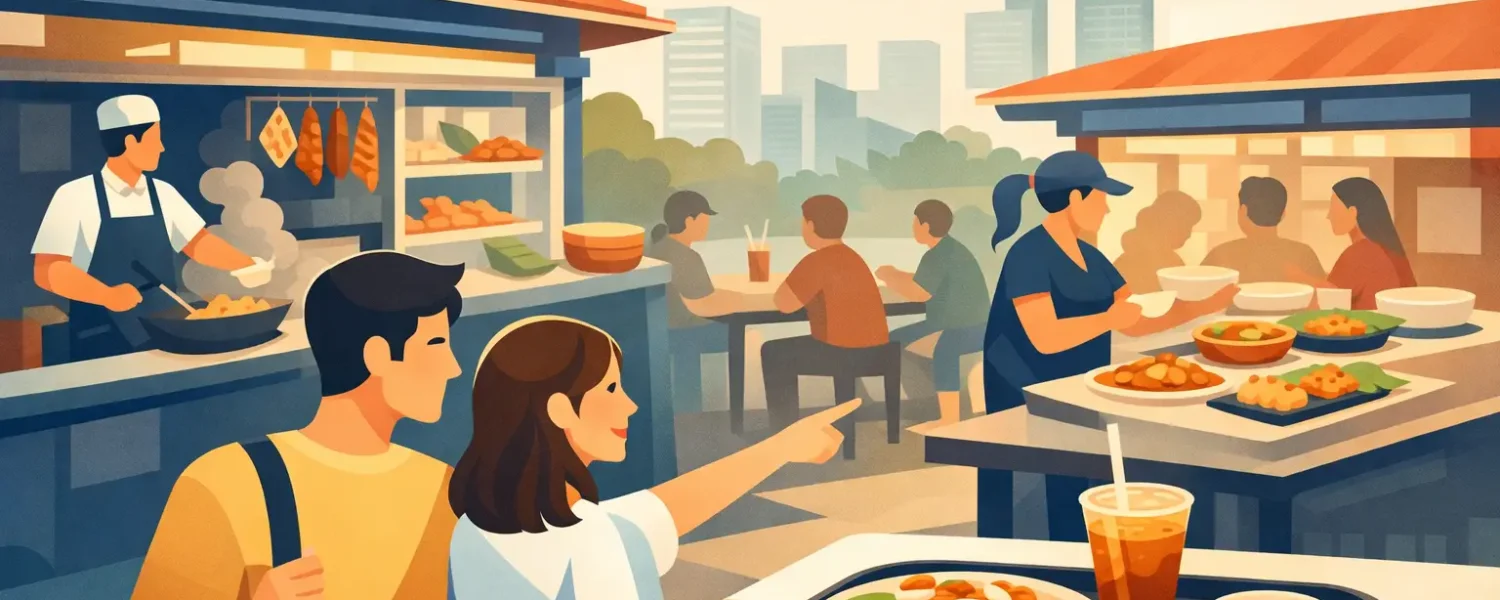
The first clue that you have found a great hawker meal is often the queue. The second is the scent: charcoal smoke from satay, coconut rice warming in banana leaf, rich broth rolling from a laksa pot. This classic hawker experience guide is for travelers, families, corporate groups, and curious locals who want to do more than order a famous dish. Come hungry, ask questions, and let every bite tell you something about Singapore.
Hawker food is quick, affordable, and wonderfully everyday. Yet behind a bowl of noodles or a plate of rice sits a much bigger story of migration, trade, adaptation, and community. That is what turns a meal into a memory worth sharing.
What Makes a Classic Hawker Experience Special?
A hawker center is not a themed food hall. It is a living part of Singapore’s social fabric, where families meet after work, colleagues debate lunch choices, and generations return to stalls they have loved for years. Chinese, Malay, Indian, Peranakan, and other culinary traditions sit close together, each shaped by local ingredients and Singaporean tastes.
That variety is exciting, but it can also feel intimidating on a first visit. Menus may be brief, stalls may specialize in just one or two dishes, and the busiest period can move fast. The beauty of a guided classic hawker experience is that it gives the food a voice. Instead of simply seeing chicken rice, you learn why its fragrant rice matters as much as the poached chicken. Instead of treating cendol as a colorful dessert, you taste the contrast of shaved ice, coconut milk, palm sugar, and soft green jelly with fresh appreciation.
The goal is not to eat every famous dish in one sitting. No one enjoys a food adventure when they are too full to notice the details. A good experience is curated around a few iconic flavors, paced with conversation, and flexible enough to suit the group.
Begin With the Right Hawker Mindset
Bring an appetite, certainly, but also bring a little patience. A popular stall’s line is usually part of the ritual, not a sign that your plan has gone wrong. Watch how regulars order. Notice what is already on the tables. The busiest stalls often have a clear specialty, and that focus can be a very good sign.
Hawker dining is casual and communal. You may share a table with strangers, return your tray after eating, and use tissues to reserve a seat where that practice is accepted. These small customs help the space work for everyone. If you are unsure, a host or friendly local can point you in the right direction.
For visitors from the US, one useful adjustment is to think in shared tastes rather than individual entrées. Ordering several dishes for the table makes it easier to compare textures, spice levels, and regional influences. It also creates the best kind of conversation: the debate over whose satay sauce scoop was most generous.
The Dishes That Tell Singapore’s Story
A classic tasting should feel like a journey, not a checklist. These six favorites offer an inviting introduction because each brings a different aroma, technique, and cultural thread to the table.
Satay: Smoke, Spice, and Sharing
Satay arrives as skewers of marinated meat cooked over a hot grill, often served with a nutty peanut sauce, rice cakes, cucumber, and onions. The char is the point. It adds depth to the sweet-savory marinade and makes the dish especially good for sharing.
Take a moment before the first bite. The grilling method reflects Southeast Asian street-food traditions, while the dipping sauce brings together richness, spice, and brightness. It is a lively opening act, particularly in the evening when the smoke and sizzle become part of the atmosphere.
Laksa: A Bowl With Real Personality
Laksa is a rich, spicy noodle soup, commonly built on coconut milk and a deeply flavored broth. Depending on the style, it may include rice noodles, seafood, tofu puffs, herbs, and a spoonful of chili. It is creamy, aromatic, and not shy.
Heat levels vary, so there is no prize for choosing more chili than you can enjoy. Start by tasting the broth as served, then add sambal gradually if available. A great laksa balances creaminess with spice and seafood savoriness, leaving enough lift that you want another spoonful.
Nasi Lemak: Comfort in Many Little Details
At first glance, nasi lemak may look simple: coconut rice with sambal, egg, anchovies, peanuts, and cucumber. But the magic comes from how the elements work together. The rice is fragrant and soft, the anchovies crisp and salty, and the sambal can range from gently sweet to fiery.
It is also a lesson in contrast. Take a bite with a little of everything rather than eating each component separately. Add fried chicken, fish, or another side if you want a heartier plate, but give the coconut rice and sambal their due. They are the foundation.
Chicken Rice: Precision on a Plate
Singapore-style chicken rice rewards attention. Tender chicken is paired with rice cooked in chicken stock, often accompanied by chili sauce, ginger, dark soy sauce, and a light soup. The dish may look understated beside a bright bowl of laksa, but that restraint is exactly why it is so beloved.
Try the chicken, then the rice, then a bite with sauce. Each element has a role. A truly satisfying version feels clean, savory, and comforting, with rice flavorful enough to stand on its own.
Prata: The Fun Is in the Fold
Prata is a flatbread with a crisp, golden exterior and a soft, layered center. It can be plain or filled with ingredients such as egg, cheese, or onion, and it is typically served with curry for dipping. Watching it being stretched, folded, and cooked is half the pleasure.
This is a dish that invites participation. Tear off a piece, dip lightly, and find your preferred ratio of flaky bread to curry. Morning, late night, or an energetic afternoon snack, prata has an easygoing charm that suits almost any appetite.
Cendol: A Sweet, Cool Finish
After savory dishes and chili, cendol brings relief. This dessert combines shaved ice, coconut milk, palm sugar syrup, and green rice-flour jelly strands. Its flavors are simple but beautifully layered: caramel-like sweetness from palm sugar, creamy coconut, and a refreshing chill.
Mix it gently before eating so the syrup reaches the ice and coconut milk. It is a fitting finish because it reminds you that Singapore’s food heritage is never only about spice. Balance matters.
How to Taste Like a Curious Guest
The most memorable food experiences happen when you slow down just enough to notice what is on the plate. Ask what gives a broth its depth, why a chili tastes sweet before it turns hot, or how a stallholder learned the recipe. Those questions honor the work behind the food and often lead to stories you would never find on a menu.
Be open to flavors that feel unfamiliar, but do not force a dish you genuinely dislike. Food preferences, dietary needs, and spice tolerance all matter. A thoughtful host can help vegetarians, cautious eaters, and adventurous chili fans build a tasting that feels generous rather than overwhelming.
For group outings, the trade-off is simple: a larger group can sample more, but it needs a little coordination. Decide whether you are sharing dishes before ordering, keep pace with the slowest eater, and leave room for dessert. Corporate lunches work especially well when the meal includes stories and light interaction, not just a rush from stall to stall.
Make Room for the Story Behind the Stall
A hawker meal becomes more meaningful when you understand that many recipes carry family histories. Some were refined across decades at a single stall. Others grew from the foodways of communities who made Singapore home, adjusting recipes to available ingredients and evolving local tastes. These are not museum pieces. They are traditions kept alive through daily practice.
That is why a heritage-led food tour can be so rewarding. At J.I.A.K 99, the Classic Hawker Experience pairs iconic tastes with the people, customs, and multicultural roots behind them. It is designed to help visitors feel welcomed into the story while giving locals fresh reasons to feel proud of familiar favorites.
The best souvenir from a hawker center is not a perfect food photo, although you will probably take one. It is the confidence to order one more unfamiliar dish, share a table, and say “jiak” with real enthusiasm. Come with curiosity, leave room for cendol, and let Singapore’s everyday flavors introduce themselves.