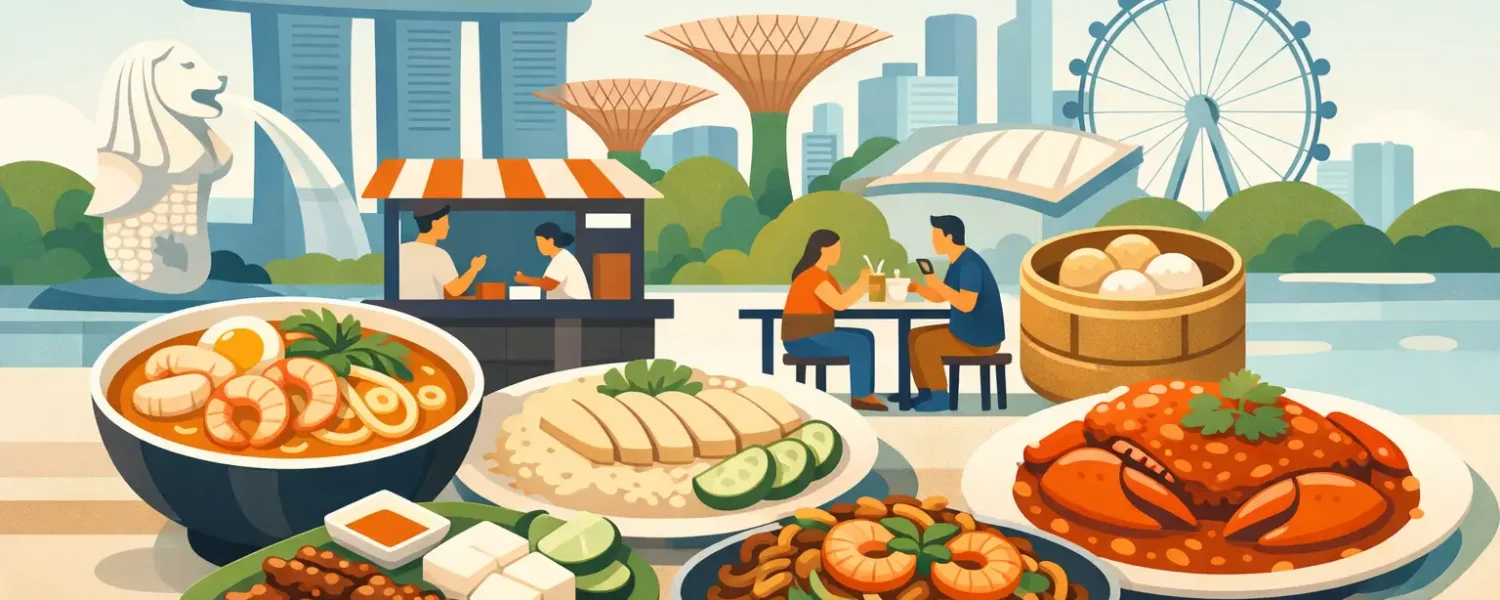
A hawker center can feel like happy chaos the first time you step in – clattering woks, smoky grills, aunties moving fast, tables filling with trays of food that somehow smell even better than they look. If you are wondering which must try hawker dishes Singapore is best known for, start with the plates and bowls that locals return to again and again. These are not just popular foods. They carry migration stories, family recipes, neighborhood loyalties, and the everyday rhythm of the island.
Why these must try hawker dishes in Singapore matter
Hawker food is where Singapore’s cultural mix becomes something you can taste. Chinese, Malay, Indian, Peranakan, and other culinary influences meet in dishes shaped by adaptation, memory, and practicality. A bowl of noodles or a plate of rice might look simple, but behind it is a long story of trade routes, working-class ingenuity, and communities feeding one another.
That is what makes hawker culture so special for visitors and locals alike. You are not just ordering lunch. You are tasting living heritage, often cooked by stallholders who have spent decades perfecting one signature dish. The best way to approach it is with curiosity, a little appetite, and the understanding that every local will have opinions. That is part of the fun.
12 must try hawker dishes Singapore does best
Hainanese chicken rice
If there is one dish that people use to introduce Singaporean food to the world, this is often it. Poached chicken, fragrant rice cooked in stock, chili sauce, dark soy, and ginger paste sounds understated on paper. On the tray, though, it is all about balance.
Good chicken rice depends on texture and detail. The chicken should be silky, the rice deeply savory, and the sauces sharp enough to wake everything up. Some stalls lean richer and oilier, while others go cleaner and lighter. If you are new to hawker food, this is one of the easiest places to begin.
Laksa
Laksa arrives with confidence. The broth is creamy with coconut milk, aromatic with spices, and usually alive with seafood sweetness. Depending on the style, you may get thick rice noodles, cockles, shrimp, fish cake, and a spoonful of sambal to stir in.
This is one of those dishes that tells you a lot about Singapore’s Peranakan influence. It is rich, warming, and layered rather than bluntly spicy. If you do not usually eat chili, start gently. Laksa should have kick, but the best bowls still let the herbal and coconut notes come through.
Satay
Satay is hawker theater in the best way. Skewers of marinated meat hit the grill, smoke rises, and suddenly everyone nearby starts wondering whether they should order some too. Chicken, beef, and mutton are the classics, served with peanut sauce, cucumber, onions, and compressed rice cakes.
The appeal is not only the char. It is the mix of sweet, savory, smoky, and nutty in one bite. Satay is especially good for sharing, which makes it perfect if you are tasting across several stalls with friends or colleagues.
Nasi lemak
Nasi lemak is comfort food with range. At its heart is coconut rice, often served with sambal, fried anchovies, peanuts, egg, and a protein such as fried chicken, fish, or otah. It can be a quick breakfast, a satisfying lunch, or a late-night fix depending on where you find it.
What makes a strong nasi lemak is contrast. The rice should be fragrant but not heavy, the sambal should bring sweetness and heat, and the crunchy toppings should keep each mouthful lively. Some versions are humble and traditional, while others pile on more extras. Neither is wrong. It depends on whether you want classic simplicity or a fuller feast.
Roti prata
Roti prata is one of the most joyful things to eat fresh. Crisp at the edges, chewy in the middle, and best torn by hand, it is usually served with curry and sometimes sugar. Plain prata is the benchmark, but egg, onion, cheese, and even sweet versions have devoted fans.
This is a dish where texture is everything. You want that flaky pull when you tear it open. For visitors, prata is also a reminder that hawker eating is not only about heavy meals. Sometimes the most memorable plate is a hot piece of flatbread and a good curry on the side.
Char kway teow
Char kway teow has wok aroma you can smell before it reaches the table. Flat rice noodles are stir-fried with soy sauce, egg, Chinese sausage, bean sprouts, and often cockles. The result is glossy, smoky, and unapologetically rich.
It is not a delicate dish, and that is exactly why people love it. The best versions have that prized wok hei – the slightly charred, almost intangible flavor that comes from intense heat and serious skill. If you are choosing between the lighter and heavier options at a hawker center, this sits proudly in the indulgent camp.
Hokkien mee
At first glance, Hokkien mee may look like another noodle dish, but it has its own personality. Yellow noodles and rice vermicelli are stir-fried in a seafood stock until they absorb deep flavor, then topped with shrimp, squid, sambal, and lime.
A squeeze of lime matters here. It cuts through the richness and brightens the whole plate. Some stalls serve it wetter and more brothy, others drier and more intense. It is one of those dishes that rewards repeat tasting because styles vary more than newcomers expect.
Carrot cake
This is not dessert, and first-time visitors are often surprised. Singapore carrot cake is made from radish cake, stir-fried with egg, preserved radish, and seasonings. You will usually find white and black versions, with the black style sweeter from dark soy sauce.
The white version lets the egg and wok aroma shine more clearly, while the black version gives you caramelized sweetness and softer edges. If you are undecided, ask which style the stall does better. Regulars absolutely have a preference.
Mee rebus
Mee rebus deserves more attention than it often gets from first-time visitors. Yellow noodles are covered in a thick, savory-sweet gravy usually made with sweet potato and spices, then topped with egg, fried shallots, lime, tofu, and green chili.
It is a dish with comfort built in. The sauce is smooth, earthy, and gently spiced rather than fiery. For travelers who want a flavorful bowl without the richness of coconut-heavy broths, mee rebus is a smart pick.
Cendol
After all that heat and spice, cendol is the kind of dessert that resets the day. Shaved ice, coconut milk, gula melaka syrup, and green jelly noodles come together in a bowl that is sweet, creamy, and cooling.
The real test is balance. Too much syrup and it turns cloying. Too little coconut milk and it loses its roundness. When done well, cendol feels light enough after a meal while still tasting like a treat.
Popiah
Popiah is a softer, fresher side of hawker eating. A thin wrapper is filled with stewed turnip, vegetables, egg, peanuts, sauces, and sometimes shrimp or Chinese sausage, then rolled up tightly and cut to eat.
Because it is not fried, popiah can feel almost delicate compared with richer hawker favorites. That makes it a good dish to add when you want variety. It also shows how hawker food is not one-note indulgence. There is plenty of nuance across textures and flavors.
Kaya toast with soft-boiled eggs
Strictly speaking, this leans coffee shop classic as much as hawker staple, but it belongs in any real conversation about iconic local eats. Toasted bread with kaya and butter, paired with soft-boiled eggs and coffee or tea, is one of the great simple meals.
The charm is in the ritual. Crack the eggs, season them, dip your toast, and slow down for a moment. If you are building a day of tasting, this is an easy and very local way to start.
How to choose what to eat first
If you only have one visit, go for contrast. Pick one rice dish, one noodle dish, one grilled item, and one dessert. Chicken rice, laksa, satay, and cendol make an easy and crowd-pleasing combination.
If you have more room to roam, pay attention to the line length, the speed of turnover, and whether a stall focuses on one specialty. Hawker culture rewards specialization. A stall with a short menu and a confident queue is usually telling you something useful.
For families or groups, ordering to share is the smartest move. You get more range, and it turns the meal into what hawker dining does best – conversation, comparison, and a little friendly debate about favorites. That spirit is exactly why experiences built around storytelling and tasting, like those by J.I.A.K 99, feel so natural here.
A quick note for first-time visitors
Do not worry about getting everything right. You do not need to know every ingredient or follow a perfect order of eating. Hawker culture is approachable precisely because it is everyday food.
What helps most is staying open to difference. Some dishes will feel familiar, others completely new. Some stalls will serve lighter flavors, others heavier and more intense. That variety is not confusing once you stop treating it like a checklist and start treating it like a conversation with the city.
The best hawker meal is usually not the one with the most famous name. It is the one that makes you pause, look around at everyone else eating happily, and think, okay, now I get why people say come jiak.