
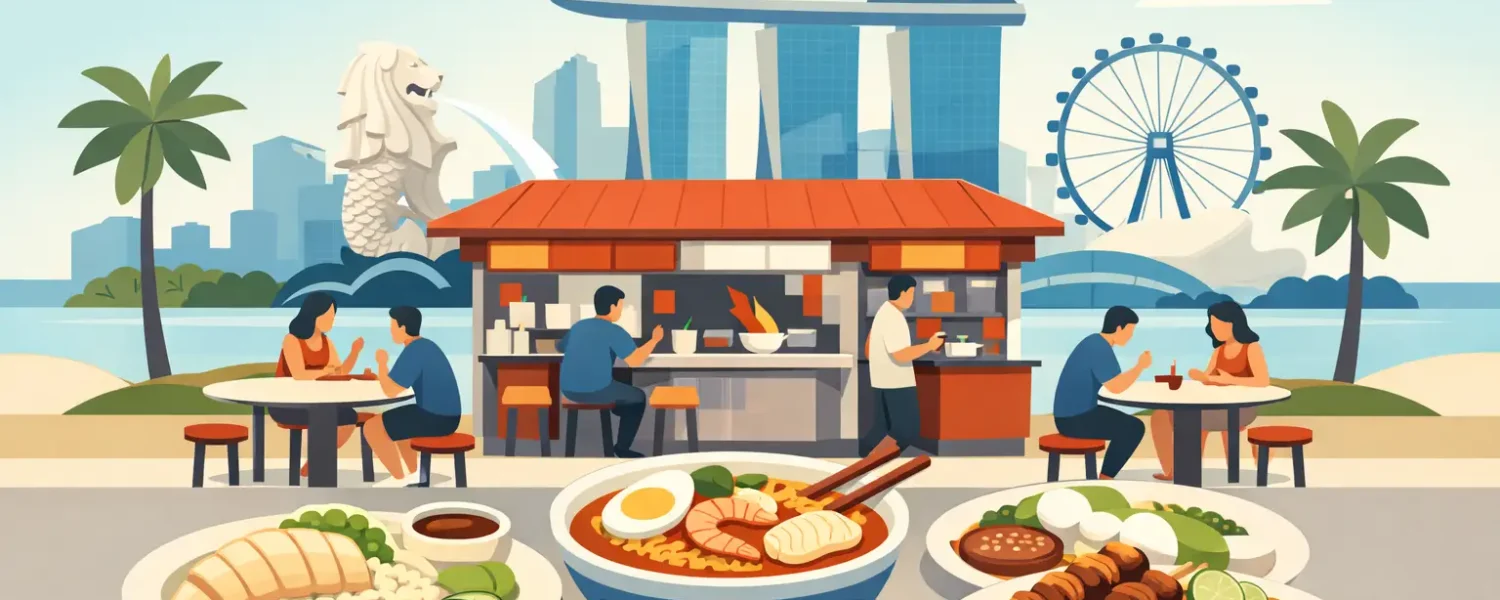
You step into a hawker center, hear the clatter of woks, catch the smell of grilled satay and simmering broth, and suddenly realize one thing – where do you even start? If you need a singapore hawker food list for beginners, the best approach is not to try everything at once. Start with a few iconic dishes, learn what makes each one special, and eat with curiosity rather than pressure.
Hawker food is not just cheap local food. It is Singapore’s living food culture – shaped by Chinese, Malay, Indian, Peranakan, and many other communities who brought recipes, adapted them, and turned them into something unmistakably local. That is why a simple plate of chicken rice or a bowl of laksa can carry migration stories, family traditions, and neighborhood pride all at once. For first-timers, that makes the experience richer, but it can also make the menu feel huge.
A beginner-friendly Singapore hawker food list
If you are new, think in categories: rice, noodles, grilled bites, breads, and desserts. That makes the hawker center feel less like a maze and more like a food map.
Chicken rice
If there is one dish almost everyone recommends first, it is chicken rice. Poached or roasted chicken is served over fragrant rice cooked with chicken stock, garlic, and ginger, with chili sauce and dark soy on the side. It looks simple, and that is exactly the point. Good chicken rice depends on balance – tender meat, glossy rice, and sauces that lift every bite.
For beginners, this is the safest first order because the flavors are approachable. If you usually like roast chicken and rice, you are already halfway there. The trade-off is that not every stall does it the same way. Some are prized for silky poached chicken, while others shine with roasted skin and richer flavor. Neither is more correct. It depends on whether you want something clean and delicate or deeper and more savory.
Laksa
Laksa is the bowl that announces itself before it reaches your table. The broth is rich, coconutty, spicy, and deeply aromatic, usually paired with noodles, seafood, tofu puffs, and sometimes cockles. It is one of the best dishes for understanding how Southeast Asian spice, seafood sweetness, and creamy texture can come together in one spoonful.
For beginners, laksa is a must, but do check your spice tolerance. Some bowls are gently warming, while others have a real kick. If you enjoy curry, ramen, or noodle soups with body, laksa tends to be an easy yes. If you prefer lighter flavors, start with a smaller bowl or share one.
Nasi lemak
Nasi lemak is comfort food with personality. At its core, it is coconut rice served with sambal, fried anchovies, peanuts, cucumber, and egg, often with fried chicken, fish, or other add-ons. It comes from Malay culinary tradition, but in Singapore it has developed many beloved variations.
This is a great beginner dish because every component is distinct. You can taste a little sweetness from the rice, heat from the sambal, crunch from the peanuts and anchovies, and richness from the protein. It is especially good for people who like a plate with different textures instead of one uniform dish. The only thing to watch is the sambal. A little goes a long way if you are not used to chili.
Satay
Satay is one of the most instantly lovable hawker foods. Skewers of marinated meat are grilled over charcoal and served with peanut sauce, cucumber, and compressed rice cakes or onions, depending on the stall. The smoky aroma does half the work before you even take a bite.
For beginners, satay is easy because it is familiar in form but very local in flavor. The marinade, the char, and the sweet-savory peanut sauce make it feel festive and shareable. It is also a smart first order if you are eating in a group and want something everyone can try. Chicken is usually the easiest entry point, while mutton and beef bring stronger flavor.
Roti prata
Roti prata is the kind of dish that wins people over fast. It is a pan-fried flatbread with a crisp outside and chewy layers inside, usually served with curry. Some versions are plain, while others come with egg, onion, cheese, or even sweet fillings.
Beginners tend to love prata because it feels both comforting and interactive. Tear, dip, repeat. If you are easing into hawker food, this is a good breakfast or snack choice. The trade-off is that it is less of a full meal unless you order sides, so it works best when paired with tea or as part of a wider tasting session.
Char kway teow
Char kway teow is a stir-fried noodle dish with flat rice noodles, egg, soy sauce, bean sprouts, Chinese sausage, and often cockles or shrimp. It is smoky, rich, and slightly sweet, with that prized wok aroma people talk about with near-religious devotion.
This dish is excellent for beginners who want something bold and unmistakably hawker. It is not subtle, and that is the appeal. If you love stir-fried noodles, order it. If you are looking for something lighter, though, this may feel heavy, especially in hot weather.
Hainanese curry rice
This is one of those dishes that can surprise first-time visitors. You pick from a spread of braised meats, fried cutlets, cabbage, eggs, and more, and then curry and sauces are poured over rice. It looks messy, and that is part of the pleasure.
For beginners, it helps to know that this is not Indian curry rice in the restaurant sense. It is a local hawker style shaped by multiple influences. Expect comfort, gravy, and pure satisfaction rather than delicate plating. If you like hearty lunch plates, this one belongs on your list.
Carrot cake
No, not the dessert. Singapore hawker carrot cake is made from radish cake stir-fried with egg, garlic, and preserved radish, usually in black or white versions. The black version is sweeter from dark soy sauce, while the white version lets the savory notes come through more clearly.
Beginners often get caught out by the name, but once they try it, it becomes a favorite. It is soft in places, crisp at the edges, and full of wok flavor. If you want something distinctly local that you probably have not eaten before, this is a strong pick.
Cendol
After all that savory food, cendol brings relief. This dessert typically combines shaved ice, coconut milk, green jelly noodles, and palm sugar syrup, sometimes with red beans or other toppings. It is cooling, fragrant, and especially welcome in humid weather.
For beginners, cendol is one of the easiest desserts to enjoy because the flavor profile is sweet, creamy, and refreshing. If you are unsure about the green jelly, do not overthink it. It is there for texture and fun as much as flavor.
How to order without feeling lost
A good singapore hawker food list for beginners should help you eat with confidence, not just give you names to memorize. The easiest strategy is to choose one rice dish, one noodle dish, one grilled item, and one dessert if you are sharing. That gives you contrast without over-ordering.
It also helps to look at what locals are actually eating. Long lines can be a clue, but they are not the only clue. A stall with steady repeat customers, focused menu items, and food that moves quickly is often a good sign. If a stall specializes in one thing, that is usually promising.
Do not worry if you do not know every ingredient. Hawker food is meant to be enjoyed, not turned into a test. Ask simple questions, keep an open mind, and pace yourself. One common beginner mistake is loading up on heavy dishes too fast. Chicken rice, satay, laksa, and char kway teow all sound manageable on paper until they land on the same table.
What makes hawker food different from a food court meal
The difference is story and craft. At a hawker stall, a dish is often repeated over decades, refined through muscle memory, and tied to a family or community tradition. You are not just buying lunch. You are tasting a piece of lived heritage.
That is also why beginners should not chase only the most famous names. A beautifully grilled skewer of satay or a deeply comforting plate of nasi lemak can be just as memorable as any headline dish. The best first experience is one where you notice the details – the sambal that changes the whole plate, the charcoal aroma on the meat, the coconut milk that softens the spice, the pride in how a stall serves its specialty.
If you want a more guided way to come jiak and understand what is on your plate, a curated hawker experience can make all the difference, especially when the stories behind the dishes are part of the meal. Sometimes the food tastes even better when you know where it came from.
Start with a few classics, trust your senses, and let your appetite lead the next step. That is usually how a beginner becomes someone planning their next hawker meal before the first one is even over.