
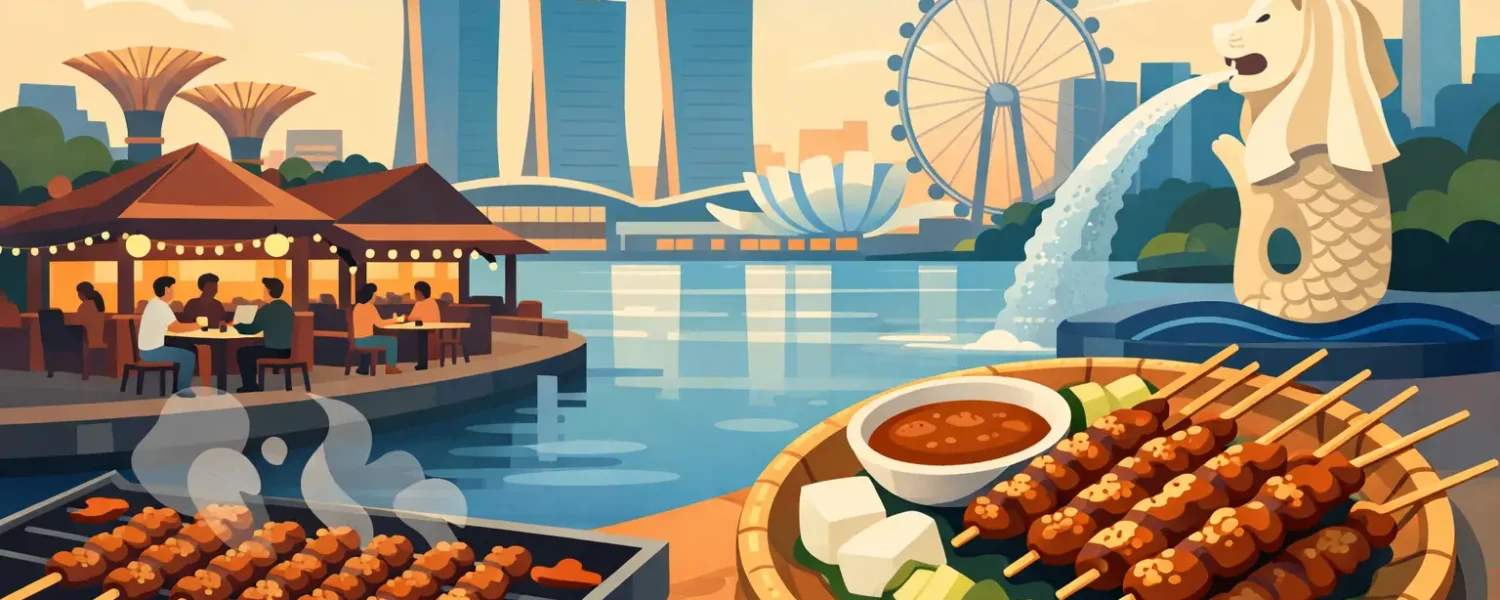
The first thing you notice is the smoke. Then the sweet, savory smell of marinated meat hitting hot charcoal. If you are wondering where to eat satay Singapore visitors and locals actually remember, the answer is not just a single stall. It depends on what kind of satay moment you want – a buzzy hawker night, a heritage stop, or an easy introduction to one of Singapore’s most beloved street-side classics.
Satay is one of those dishes that tells a bigger story than its skewers suggest. Malay and Indonesian influences, Indian Muslim hawker traditions, and the culture of open-air eating all meet here. A good plate comes with tender meat, a light char, ketupat or rice cakes on the side, sliced cucumber and onions for freshness, and peanut sauce that brings everything together without drowning the skewer.
If you are planning your food route, here is a practical way to think about where to go, what to expect, and how to choose well.
Where to eat satay Singapore style
There is no single “best” satay for everyone because satay is deeply personal. Some people chase a heavier caramelized glaze. Others want stronger turmeric notes, smokier chicken, or mutton with a richer bite. The good news is that Singapore gives you options across hawker centers, heritage neighborhoods, and old-school supper spots.
Lau Pa Sat for atmosphere and convenience
If this is your first satay stop, Lau Pa Sat makes sense. In the evening, the nearby street becomes a satay corridor with smoke, chatter, and that unmistakable holiday energy. It is lively, central, and easy for travelers who want the full hawker-photo-food combo in one go.
The trade-off is that convenience can attract crowds, and not every stall will feel equally memorable. Still, if you want satay as part of a larger city-night experience, this is one of the easiest places to start. Go a little earlier if you prefer a less hectic meal.
Satay by the Bay for a breezier waterfront feel
For a more relaxed setting, Satay by the Bay offers a different rhythm. You still get grilled skewers and local dishes, but the atmosphere is more open and less compressed than a downtown rush. It works well for families, casual group dinners, and visitors already exploring the Gardens area.
This is a good choice if you want your satay dinner to feel unhurried. The setting can matter as much as the skewer, especially if you are introducing Singapore hawker food to first-time visitors who may prefer a gentler start.
East Coast Lagoon Food Village for old-school supper energy
East Coast Lagoon has the kind of food memory many locals know well – sea breeze, open-air tables, late meals, and grilled food that tastes even better after sunset. Satay here feels less like a checklist item and more like part of a proper local evening out.
It is especially good if you want to pair satay with other classic hawker dishes and stay awhile. The journey may be a little less convenient than a central stop, but that is part of the appeal. You go because you want the mood, not just the meal.
Chomp Chomp for a classic hawker feast
Chomp Chomp is famous for evening feasting, and satay naturally earns a place on that table. The draw here is variety. You are not arriving for skewers alone. You are stepping into a full-on hawker session where satay joins seafood, noodles, barbecue, and cold drinks.
That also means the space can get busy and loud. If you love energetic food scenes, you will enjoy it. If you want a calmer tasting experience, another stop might suit you better.
Old Airport Road for a more local pace
Old Airport Road Food Centre has long been respected for serious hawker food, and that matters. When you eat in places with a strong daily local crowd, the standard often comes from repetition, routine, and vendors who know exactly what regulars expect.
Satay here may not come wrapped in as much spectacle, but that can be a strength. If your ideal meal is more about taste than scenery, this kind of hawker center is worth your time.
How to tell if a satay stall is worth your queue
You do not need to be a food expert to choose well. Start with the grill. Fresh satay should be cooked over heat that gives a real char, not just color. You want edges with a little crispness while the inside stays juicy.
Next, look at the sauce. Peanut sauce should be thick enough to cling, but not so heavy that it tastes flat. A good one balances sweetness, nuttiness, spice, and a little tang. If the sauce is doing all the work, the satay itself probably is not.
Then consider the meat options. Chicken is the easiest crowd-pleaser, pork is beloved for its sweet char if you eat pork, and mutton has a stronger, richer flavor that some satay lovers swear by. Beef can be excellent too, though it needs careful grilling to stay tender.
Finally, trust the full plate. Good satay is not only about skewers. Fresh cucumber, onions, and ketupat help reset the palate. Without them, the meal can feel one-note.
What to order when you are not sure
If it is your first time, start with a mixed order. Chicken gives you the baseline. Mutton shows you the deeper, more aromatic side of satay. Pork, where available, leans sweeter and more caramelized. Ordering a mix helps you find your lane quickly.
A group should always share. Satay is built for that. The conversation becomes part of the meal – who likes more char, who wants extra sauce, who is reaching for the last ketupat. That communal feeling is part of why satay remains such a hawker favorite.
If you are ordering for international guests or colleagues, chicken is the safest opening move. Then add mutton for contrast if your group is adventurous.
Where to eat satay Singapore visitors will enjoy most
For travelers, the best satay stop is usually the one that fits the rest of the day. If you are near the financial district and want a lively night scene, Lau Pa Sat works. If you are near the waterfront and want space to linger, Satay by the Bay feels easier. If your goal is a more local evening with a bit of a journey, East Coast Lagoon or Chomp Chomp can be more rewarding.
That is why satay is best approached as part of a wider food experience rather than a single dish hunt. One plate gives you flavor. The setting gives you context. The hawker table gives you culture.
For visitors who want that context served up in an approachable way, a curated hawker experience can be the better move. Instead of guessing what to order or why one sauce tastes different from another, you get the stories behind the food – migration, community, grilling traditions, and how dishes like satay became part of everyday Singapore life. J.I.A.K 99 builds exactly that kind of experience for guests who want to eat well and understand what is on the plate.
A few smart timing tips
Satay tends to shine in the evening. Smoke, flame, and open-air dining simply feel more right after sunset. Lunch satay exists, of course, but dinner gives the dish its full personality.
Go hungry, but do not overload your first order. Satay arrives fast, and it is easy to keep adding skewers. Leave room for another dish, a cold drink, or dessert later. Hawker eating is rarely about one item only.
If you dislike lines, avoid the obvious peak hour if you can. If you love atmosphere, lean into it. The same crowd that slows your order can also become part of the fun.
Satay is one of the easiest dishes in Singapore to love quickly, but the best memories usually come from more than flavor alone. A smoky grill, a table full of shared plates, a little peanut sauce on your fingers, and the sound of a hawker evening around you – that is when satay feels less like something you checked off and more like something you actually experienced.