
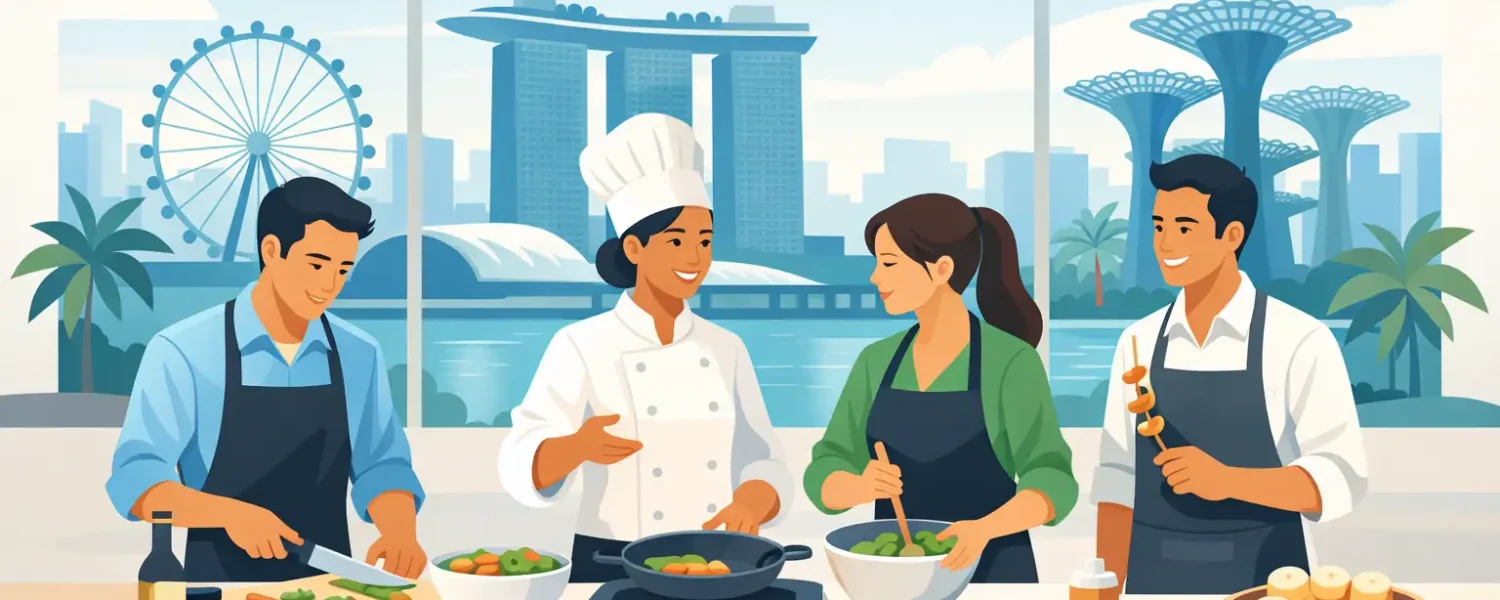
A good team event is obvious the moment people stop checking their phones. That is exactly why a singapore corporate food workshop works so well. Put a group around sizzling satay, fragrant laksa, flaky prata, and the stories behind them, and the room changes fast. People loosen up, conversations feel easier, and what started as a calendar booking begins to feel like shared memory.
For companies planning off-sites, client hosting, delegate programs, or team bonding, food has one big advantage over many standard activities – everyone can join in at their own level. You do not need to be sporty, loud, or particularly competitive. You just need curiosity and an appetite. In a city where hawker culture carries history, migration, craft, and everyday pride, a food workshop becomes more than a meal. It becomes a way to experience local identity together.
Why a singapore corporate food workshop feels different
Not every corporate activity earns real enthusiasm. Some are pleasant enough in the moment but forgotten by Monday. A food workshop has better odds because it engages people on several levels at once. There is taste, smell, texture, storytelling, and the small social rhythm of eating together. Those things matter more than many planners realize.
In the workplace, teams often meet through roles first. Finance meets sales. Regional delegates meet local staff. Senior leaders meet new hires. A workshop built around hawker heritage shifts the dynamic. Suddenly people are talking about the first time they tried chili, the dish they miss from home, or whether crispy prata is better plain or with curry. The hierarchy softens a little. That makes room for genuine connection.
There is also a cultural payoff. If your guests are visiting from overseas, a corporate food experience can introduce them to Singapore in a way that feels warm and grounded. If your team is local, it can spark a different kind of pride – the kind that comes from rediscovering familiar dishes through fresh stories. Chicken rice is no longer just lunch. Nasi lemak becomes a conversation about trade, communities, and everyday comfort. Cendol turns into a lesson in texture, heat, and why dessert hits differently in the tropics.
What makes a great workshop, not just a nice lunch
A meal by itself is easy to arrange. A workshop needs more shape. The best ones have a clear host, a sense of progression, and a reason for people to participate beyond eating. That participation does not need to be intense. In fact, lighter formats often work better for mixed groups.
A strong session usually blends tasting with guided storytelling and simple hands-on moments. That might mean learning how particular dishes developed, comparing ingredients across cultures, or trying a food challenge that gets people talking without putting anyone on the spot. When the format is done well, guests feel looked after while still having space to laugh, ask questions, and share their own reactions.
This is where heritage makes a difference. Hawker food is not random street food lined up for display. It carries the marks of migration, adaptation, neighborhood habits, family recipes, and local taste. A workshop that explains those layers gives your event more depth. It still feels fun, but it also feels distinctly of the place.
J.I.A.K 99 approaches this beautifully by treating hawker food as a cultural journey, not just a menu. That framing matters for corporate groups because it turns a casual activity into something memorable and worth talking about after the event ends.
The balance between fun and substance
Corporate planners often have to walk a fine line. Too formal, and the event feels like work in another room. Too playful, and it can feel thin or awkward for clients and executives. Food workshops sit in a sweet spot when they are designed with care.
The fun comes naturally from tasting and interaction. The substance comes from curation. A host who knows how to explain why satay matters, how laksa differs across styles, or why hawker culture resonates so deeply gives the session structure without making it feel like a lecture. For many companies, that is the ideal mix.
Who benefits most from a singapore corporate food workshop
This format works especially well for regional meetings, incentive groups, visiting delegations, client entertainment, and team building for mixed departments. It is also a strong choice when your group includes both locals and international participants. Food becomes common ground quickly.
For leadership teams, the workshop can create a more relaxed setting for conversation. For new employee groups, it helps people connect without forced icebreakers. For overseas visitors, it offers an authentic introduction to local culture that feels more personal than a standard restaurant booking.
That said, it depends on the objective. If your team wants a highly physical challenge, a food workshop may not be the right lead activity. If your guests have very tight schedules, you will want a version that is compact and well-paced. And if your group includes a wide range of dietary needs, planning matters. None of these are deal breakers, but they should shape the format.
How to choose the right corporate food workshop
Start with your event goal. Are you trying to help a team bond, impress clients, welcome delegates, or give overseas visitors a stronger feel for local culture? Once that is clear, the right format becomes easier to spot.
If connection is the goal, look for a workshop with shared tasting and easy participation. If hosting matters most, choose an experience with polished facilitation and a strong storytelling angle. If cultural education is part of the brief, make sure the session goes beyond dish names and explains the heritage behind them.
Group size matters too. Smaller groups can handle more discussion and personalized interaction. Larger groups need clearer flow, tighter hosting, and enough sensory variety to keep energy up. Timing also changes the mood. A lunch session feels lively and efficient. An evening format can feel more social and celebratory.
Do not overlook logistics. Accessibility, dietary flexibility, pacing, and whether the event can fit around a conference schedule all affect the final experience. The best workshops make these practical details feel effortless, but that only happens because they were considered carefully upfront.
What people actually remember
Most guests will not remember every historical detail, and that is fine. They will remember the satay smoke, the crunch of a good bite, the surprise of a flavor combination they did not expect, and the story that made the dish feel human. They will remember laughing with colleagues over a tasting moment or learning something they can retell later.
That is the point. A memorable corporate experience does not need to be flashy. It needs to be vivid enough to stay with people.
Why hawker heritage lands so well with global teams
For international audiences, hawker culture offers a readable, welcoming way into Singapore. It is deeply local, but it is not closed off. People can understand it through flavor first, then appreciate the history as they go. That makes it ideal for visitors who want authenticity without feeling overwhelmed.
For local participants, the experience lands differently. It often brings back memories – family breakfasts, favorite stalls, weekend suppers, school-day treats. That emotional layer can be powerful in a corporate setting because it reminds people that culture is lived, not staged. Familiar food, presented with care, can still feel fresh.
There is also something generous about sharing hawker heritage with guests. It says, this is part of who we are, and we are glad you are here to taste it with us. For companies hosting international partners or delegates, that message carries weight.
A smarter alternative to generic team building
There is nothing wrong with standard team activities, but many blur together after a while. Another trivia session, another ballroom exercise, another event where the loudest people dominate the room. A food workshop offers a more human pace.
People participate naturally because the subject is approachable. They learn something real. They enjoy themselves without being pushed. And they leave with a clearer sense of place, which is especially valuable if your event is tied to travel, hosting, or representing Singapore well.
The best part is that the experience can be both easygoing and meaningful. That is rare. When a group eats together with intention, listens to the stories behind the dishes, and shares a few moments of genuine discovery, the event does not feel manufactured. It feels lived.
If you are planning your next team gathering or client experience, choose something people will still be talking about over coffee the next day. Let them taste the city, hear the stories, and come jiak together – because the strongest team memories are often built around the table.